
Paul Fanlund: Who is most likely to believe conspiracies? Not who you think
Rather than hyperpartisans, those most likely to buy conspiracies are those who don’t follow the news and assume it will “find them,” suggests new UW-Madison research.
Rather than hyperpartisans, those most likely to buy conspiracies are those who don’t follow the news and assume it will “find them,” suggests new UW-Madison research.

Three virtual meetings included about 350 faculty and staff stakeholder participants.

This decision was a significant victory for the regulated community and all citizens in a time when agency rulemaking avoidance and overreach is becoming ubiquitous at both the federal and state levels.

As our state opens up, let’s honor the people who have suffered from this virus by accepting its invitation to connect.

As the outlines of a broader recovery plan emerge, state policymakers should be careful not to conclude that tech businesses will simply take care of themselves.

Get ready for a very ugly presidential campaign, with Wisconsin in the center of the mud wrestling.
The COVID-19 pandemic emphasizes that we must do even more to improve how U.S. health care is delivered and financed. The only way the ACA will be maintained as a foundation for these efforts — regardless of what the Supreme Court decides, is to elect Vice President Joe Biden to the presidency, Democratic majorities in the Senate and the House, and moderate candidates to state offices.

Ascension Health and 19 other health care giants grab $5 billion in federal funds while smaller hospitals get little.
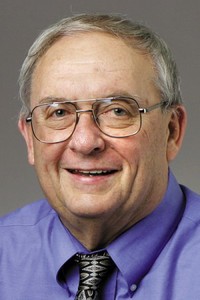
Each year when baseball season came around, for me everything was all right again in the world. It sure isn’t now.

The Milwaukee Brewers and the rest of Major League Baseball should skip this season.

State agencies plan to save millions by lapsing money that otherwise would’ve gone to cover the costs of student assessments and services for drunken drivers, among other things, according to a DOA summary. DOA late Wednesday released an overview of
Rather than hyperpartisans, those most likely to buy conspiracies are those who don’t follow the news and assume it will “find them,” suggests new UW-Madison research.
Three virtual meetings included about 350 faculty and staff stakeholder participants.
This decision was a significant victory for the regulated community and all citizens in a time when agency rulemaking avoidance and overreach is becoming ubiquitous at both the federal and state levels.
As our state opens up, let’s honor the people who have suffered from this virus by accepting its invitation to connect.
As the outlines of a broader recovery plan emerge, state policymakers should be careful not to conclude that tech businesses will simply take care of themselves.
Get ready for a very ugly presidential campaign, with Wisconsin in the center of the mud wrestling.
The COVID-19 pandemic emphasizes that we must do even more to improve how U.S. health care is delivered and financed. The only way the ACA will be maintained as a foundation for these efforts — regardless of what the Supreme Court decides, is to elect Vice President Joe Biden to the presidency, Democratic majorities in the Senate and the House, and moderate candidates to state offices.
Ascension Health and 19 other health care giants grab $5 billion in federal funds while smaller hospitals get little.
Each year when baseball season came around, for me everything was all right again in the world. It sure isn’t now.
The Milwaukee Brewers and the rest of Major League Baseball should skip this season.
State agencies plan to save millions by lapsing money that otherwise would’ve gone to cover the costs of student assessments and services for drunken drivers, among other things, according to a DOA summary. DOA late Wednesday released an overview of the nearly $70 million state agencies will be required to