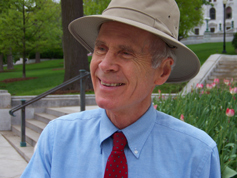
Doug La Follette: Looking beyond the climate change numbers
Climate change is not just about numbers. It’s about people. Over the next few decades, climate change is going to directly affect you, me, and countless other Wisconsinites.


Climate change is not just about numbers. It’s about people. Over the next few decades, climate change is going to directly affect you, me, and countless other Wisconsinites.

The WisOpinion Insiders, Chvala & Jensen, assess the political fallout as the GOP-run Joint Finance Committee wrestles with a lame-duck law requiring oversight of settlements by AG Josh Kaul. Sponsored by the Wisconsin Counties Association and Michael Best Strategies.

There appears to be a substantial subset of Americans for whom fomenting chaos is the goal. They exist on both sides, although, evidenced by Donald Trump, they are far more common on the right.

Open government is a proud tradition in Wisconsin. Charging requesters exorbitant fees frustrates that tradition and the spirit of the public records law. The citizens of this state deserve better from Nygren and Vos.
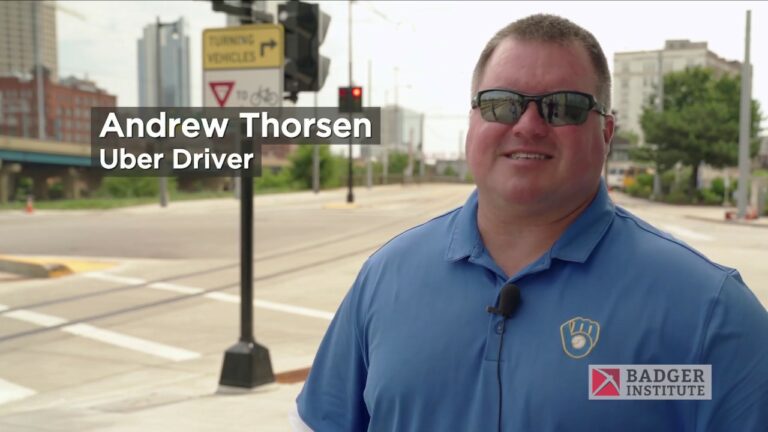
The Hop, a $128 million streetcar that travels a 2.1-mile loop in downtown Milwaukee, is a classic boondoggle made possible by federal grants. Meanwhile, the Joseph Project, a Milwaukee transportation enterprise that rejects government funding, is helping central city.

At his funeral, it was revealed that Jeff had written one more blog. He didn’t post it anywhere, but had asked that his pastor share it with the people who were there.
There is now hope that savvy legal and political strategies really can begin to upend gerrymandering across the country.
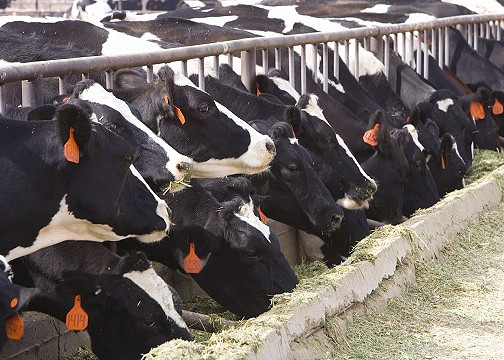
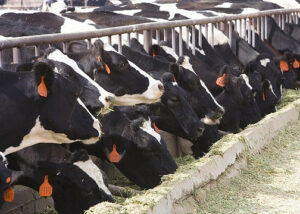
Exports don’t actually bring better prices. In dairy, exports have reached historic highs — now topping 15% of the total U.S milk supply — but that growth has failed to provide farmers a livable wage.

Poor pavement condition and high spending mean the state isn’t getting top value from its highway dollars.

Tying hands of Attorney General stalls 15 lawsuits, could cost taxpayers millions.

There can be little denial that Wisconsin, burdened by Milwaukee, has lagged the nation in economic vibrancy for five decades. The only growth exception was the Tommy Thompson era. As a punctuation point, Wisconsin has ranked in the bottom five states for job growth so far in 2019. Gov. Evers has a major challenge ahead.

If voters from Mason to Orfordville need to have just one example of what is wrong with state government they need to look no further than the lack of confirming any of the selections Gov, Tony Evers made for his cabinet.
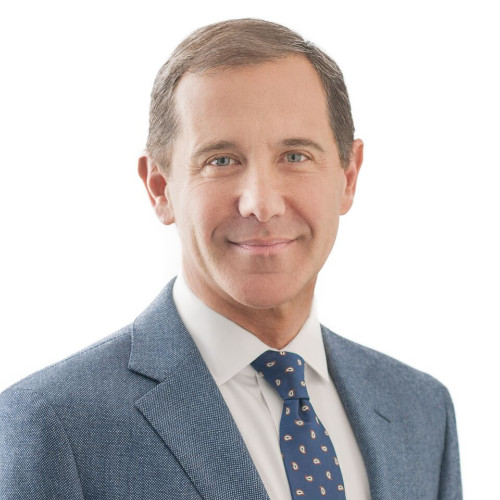
While we’re a little under a year out from the convention, our commitment to the people of Wisconsin has already begun.

Perfectly-fine homes and valuable farmland was taken through threats of government seizure because the properties could be labeled blighted.

That marijuana is completely harmless–is and has always been a lie crafted by the dishonest and believed by the uninformed.

Wisconsin Rep. Sean Duffy will quit his House seat later this month, and the special election to replace him offers Democrats a golden opportunity to frame out the next politics of the state — and the nation.
As the 2020 election approaches, it’s critical for America to look beyond the tweets.
Union solidarity marches on, even with its fewer numbers and roadblocks from unfriendly and corporate-tethered politicians.

Labor Day represents and celebrates so much more than cookouts and one last swim at the lake; it acknowledges the sacrifice and struggle of the American worker to win rights by banding together for the economic advancement of the greater workforce.

The Thompson Center’s Ryan Owens interviews Rep. Evan Goyke, D-Milwaukee.
Climate change is not just about numbers. It’s about people. Over the next few decades, climate change is going to directly affect you, me, and countless other Wisconsinites.
The WisOpinion Insiders, Chvala & Jensen, assess the political fallout as the GOP-run Joint Finance Committee wrestles with a lame-duck law requiring oversight of settlements by AG Josh Kaul. Sponsored by the Wisconsin Counties Association and Michael Best Strategies.
There appears to be a substantial subset of Americans for whom fomenting chaos is the goal. They exist on both sides, although, evidenced by Donald Trump, they are far more common on the right.
Open government is a proud tradition in Wisconsin. Charging requesters exorbitant fees frustrates that tradition and the spirit of the public records law. The citizens of this state deserve better from Nygren and Vos.

The Hop, a $128 million streetcar that travels a 2.1-mile loop in downtown Milwaukee, is a classic boondoggle made possible by federal grants. Meanwhile, the Joseph Project, a Milwaukee transportation enterprise that rejects government funding, is helping central city.

At his funeral, it was revealed that Jeff had written one more blog. He didn’t post it anywhere, but had asked that his pastor share it with the people who were there.
There is now hope that savvy legal and political strategies really can begin to upend gerrymandering across the country.
Exports don’t actually bring better prices. In dairy, exports have reached historic highs — now topping 15% of the total U.S milk supply — but that growth has failed to provide farmers a livable wage.
Poor pavement condition and high spending mean the state isn’t getting top value from its highway dollars.
Tying hands of Attorney General stalls 15 lawsuits, could cost taxpayers millions.
There can be little denial that Wisconsin, burdened by Milwaukee, has lagged the nation in economic vibrancy for five decades. The only growth exception was the Tommy Thompson era. As a punctuation point, Wisconsin has ranked in the bottom five states for job growth so far in 2019. Gov. Evers has a major challenge ahead.
If voters from Mason to Orfordville need to have just one example of what is wrong with state government they need to look no further than the lack of confirming any of the selections Gov, Tony Evers made for his cabinet.
While we’re a little under a year out from the convention, our commitment to the people of Wisconsin has already begun.

Perfectly-fine homes and valuable farmland was taken through threats of government seizure because the properties could be labeled blighted.
That marijuana is completely harmless–is and has always been a lie crafted by the dishonest and believed by the uninformed.

Wisconsin Rep. Sean Duffy will quit his House seat later this month, and the special election to replace him offers Democrats a golden opportunity to frame out the next politics of the state — and the nation.
As the 2020 election approaches, it’s critical for America to look beyond the tweets.
Union solidarity marches on, even with its fewer numbers and roadblocks from unfriendly and corporate-tethered politicians.
Labor Day represents and celebrates so much more than cookouts and one last swim at the lake; it acknowledges the sacrifice and struggle of the American worker to win rights by banding together for the economic advancement of the greater workforce.
The Thompson Center’s Ryan Owens interviews Rep. Evan Goyke, D-Milwaukee.