
John Torinus: 4% flat tax for Wisconsin: a lot to like
The Assembly GOP plan breaks new ground. It’s bold, and bold is what we need in a state that has long been behind the growth curve.


The Assembly GOP plan breaks new ground. It’s bold, and bold is what we need in a state that has long been behind the growth curve.

Kooyenga pitched his plan as a way to address Wisconsin’s population decline, which he attributed to retirees headed to known low-tax havens. People I know who’ve moved south talk about the snow blowers they don’t need anymore, not tax rates in Wisconsin that don’t apply.

What we have now is of the Rube Goldberg variety, with punishing taxes, blinding complexity and overreliance on ultimately self-destructive borrowing. Kooyenga’s plan starts to lead us out of this morass.
Wisconsin’s adult inmate population is expected to grow to 23,233 by mid-2019.
We continue to be guided by the compact language, the governor’s principles on new gaming and the law.
For decades both businesses and law enforcement agencies have felt legally protected in their behavior toward customers and citizens, but the law is changing beneath their feet. The power of a video to go viral, or one Facebook customer’s unhappiness to spread, or millions of voices to chime in on Twitter– all are creating havoc at airports, stores, squad patrols, media outlets, complaints departments, sports events and, of course, almost every event the Trump administration concocts.

While we have all become too accustomed to watching story after story on the nightly news about the latest overdose death in our community, soon we may actually see some positive opiate news – direct movement from our state government to combat this growing and especially destructive problem.
Documents examined by the Center for Media and Democracy expose a national effort by the Milwaukee-based Lynde and Harry Bradley Foundation to defund and dismantle unions, the most significant force for higher wages and better working conditions in America.

Gallagher’s first 100 days have been refreshing and may portend the type of congressional vision offered by a new class of millennial leaders.

Wisconsin state law requires the state budget to balance on a two-year cash basis, and it does. That’s why it shows a surplus. But financial statements in the state’s comprehensive annual report show Wisconsin remains in the red, even as public officials declare the budget to be in the black.

“Repeal and replace” is really a ruse to take away health coverage for lower-income Americans and save those in the top tax brackets millions of dollars that have gone to help pay for that health coverage.
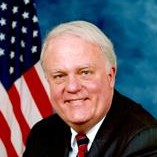
There is a lot of misinformation circulating through various news outlets and social media channels, so I’d like to take this opportunity to address some of the most common questions and misconceptions surrounding the American Health Care Act.

The Senate still will have its say, but ultimately, whatever passes will be a retreat from a plan that didn’t work. And in that sense, it represents the right kind of progress.
My fervent hope now is that reason and compassion prevail in the Senate and prevent this abomination of a bill from worming its way any further toward becoming law.
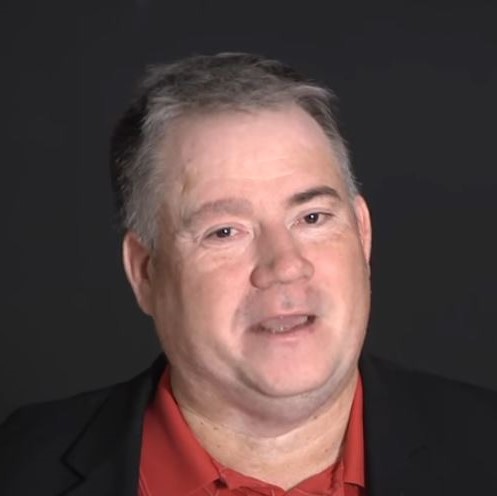
In “Two Minutes with Mitch” radio personality Mitch Henck gives his two cents on the health care bill that is now in the U.S. Senate’s hands.
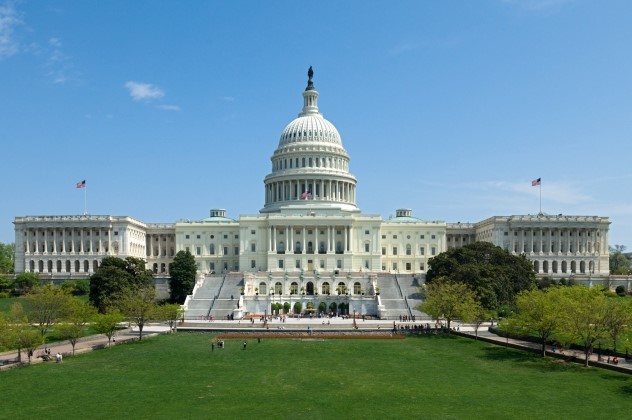
Somebody should give credit to Congressional Republicans for creating one of the greatest economic opportunities of all time.
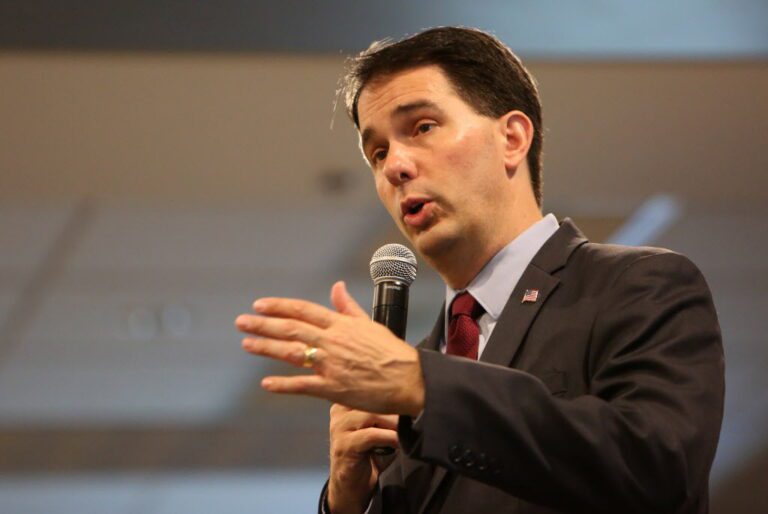
Walker says late Friday never mind about his eagerness to get on board the ‘opt out of pre-existing conditions’ bandwagon set in motion by his best pal Paul Ryan.

Last week, Rep. Kooyenga put forth a large, multi-faceted, and rather complicated proposal to address the long-simmering issue of road funding. He should be applauded for doing his research and having the courage to stand up and make his case.
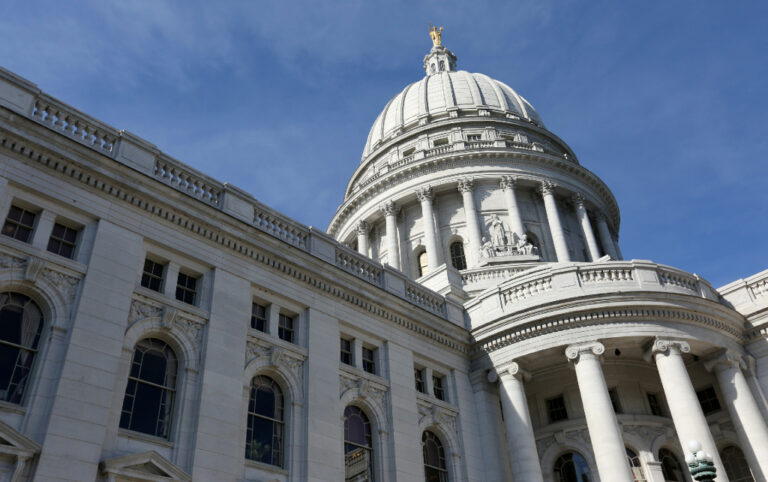
McCabe offers something rare in a challenge to Walker — an actual vision for improving Wisconsin.

The party needs to get to work on the midterm elections.
The Assembly GOP plan breaks new ground. It’s bold, and bold is what we need in a state that has long been behind the growth curve.

Kooyenga pitched his plan as a way to address Wisconsin’s population decline, which he attributed to retirees headed to known low-tax havens. People I know who’ve moved south talk about the snow blowers they don’t need anymore, not tax rates in Wisconsin that don’t apply.
What we have now is of the Rube Goldberg variety, with punishing taxes, blinding complexity and overreliance on ultimately self-destructive borrowing. Kooyenga’s plan starts to lead us out of this morass.
Wisconsin’s adult inmate population is expected to grow to 23,233 by mid-2019.
We continue to be guided by the compact language, the governor’s principles on new gaming and the law.
For decades both businesses and law enforcement agencies have felt legally protected in their behavior toward customers and citizens, but the law is changing beneath their feet. The power of a video to go viral, or one Facebook customer’s unhappiness to spread, or millions of voices to chime in on Twitter– all are creating havoc at airports, stores, squad patrols, media outlets, complaints departments, sports events and, of course, almost every event the Trump administration concocts.
While we have all become too accustomed to watching story after story on the nightly news about the latest overdose death in our community, soon we may actually see some positive opiate news – direct movement from our state government to combat this growing and especially destructive problem.
Documents examined by the Center for Media and Democracy expose a national effort by the Milwaukee-based Lynde and Harry Bradley Foundation to defund and dismantle unions, the most significant force for higher wages and better working conditions in America.

Gallagher’s first 100 days have been refreshing and may portend the type of congressional vision offered by a new class of millennial leaders.
Wisconsin state law requires the state budget to balance on a two-year cash basis, and it does. That’s why it shows a surplus. But financial statements in the state’s comprehensive annual report show Wisconsin remains in the red, even as public officials declare the budget to be in the black.

“Repeal and replace” is really a ruse to take away health coverage for lower-income Americans and save those in the top tax brackets millions of dollars that have gone to help pay for that health coverage.
There is a lot of misinformation circulating through various news outlets and social media channels, so I’d like to take this opportunity to address some of the most common questions and misconceptions surrounding the American Health Care Act.

The Senate still will have its say, but ultimately, whatever passes will be a retreat from a plan that didn’t work. And in that sense, it represents the right kind of progress.
My fervent hope now is that reason and compassion prevail in the Senate and prevent this abomination of a bill from worming its way any further toward becoming law.

In “Two Minutes with Mitch” radio personality Mitch Henck gives his two cents on the health care bill that is now in the U.S. Senate’s hands.
Somebody should give credit to Congressional Republicans for creating one of the greatest economic opportunities of all time.
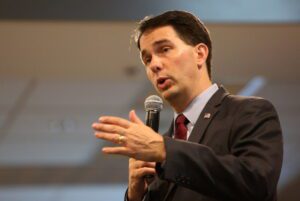
Walker says late Friday never mind about his eagerness to get on board the ‘opt out of pre-existing conditions’ bandwagon set in motion by his best pal Paul Ryan.
Last week, Rep. Kooyenga put forth a large, multi-faceted, and rather complicated proposal to address the long-simmering issue of road funding. He should be applauded for doing his research and having the courage to stand up and make his case.
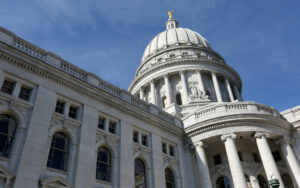
McCabe offers something rare in a challenge to Walker — an actual vision for improving Wisconsin.

The party needs to get to work on the midterm elections.