Chris Rickert: A road funding option for America First GOP
Raise money for roads by tacking extra registration fees onto un-American vehicles; taxes paid on wages and products overseas aren’t adding to Wisconsin’s road fund, after all.


Raise money for roads by tacking extra registration fees onto un-American vehicles; taxes paid on wages and products overseas aren’t adding to Wisconsin’s road fund, after all.
It’s not just the can that’s being kicked down the road; whole roads are being booted down the freeway.
And how this cost state taxpayers $54 million.

We want to talk about reform, not leaked report’s many errors, he says.
Adequately-funded flexible block grants to the states are the last, best hope to finally repeal and replace Obamacare, a program which is collapsing before our very eyes.

We’re about to embark on a plan that gives the largest government payoff to a private corporation in the history of state government.

Wisconn Valley is a con; it’s an anchor around the necks of taxpayers and further starves our schools, our roads and our economy for decades.

When the Joint Finance Committee voted, along party lines, to give Foxconn the right to directly appeal any lower court order straight to the Wisconsin Supreme Court and to have that order suspended until the high court rules on it, the legislature was entering very dubious legal waters.
Rustbelt jobs have steadily declined since 1990. State should look elsewhere for answers.

Wisconsin’s model for educating special needs children is outdated, lagging far behind other states, and does a disservice to parents.

They’re Walker’s most successful economic development program. So why would he cut them?
The mysterious group behind it failed miserably. Why?
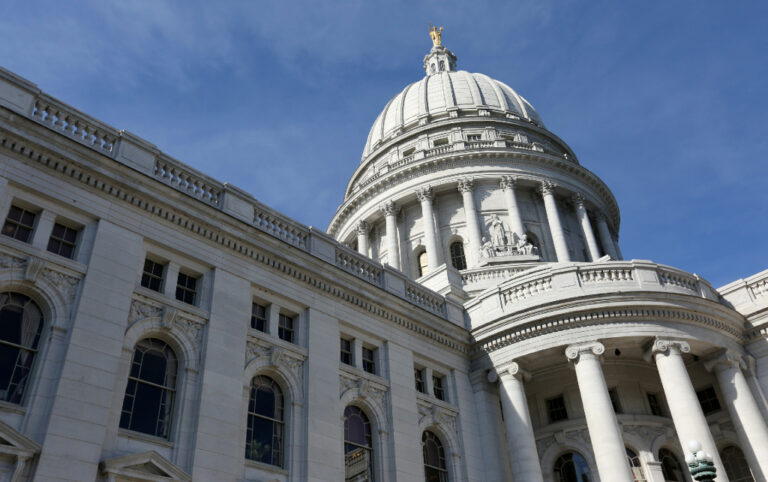
A last-minute financial obstruction thrown by GOP budget-writers yesterday at the City of Milwaukee’s streetcar and home rule powers made perfect sense inside the right-wing echo chamber and fossil-fuel/road-building funding combine that passes for a major political party these days.

It makes no sense that after the over-the-top accommodations already promised to Foxconn, we would allow the company to bypass controls designed to mitigate flood and pollution disasters. It makes no sense from a moral perspective, or a financial one.

The Legislature’s vetting of the Foxconn deal should and will continue, but no one should be fooled into thinking nations, states and communities don’t compete every day. Rather than wishing away such competition, it’s mainly about calculating certain risks for uncertain rewards.
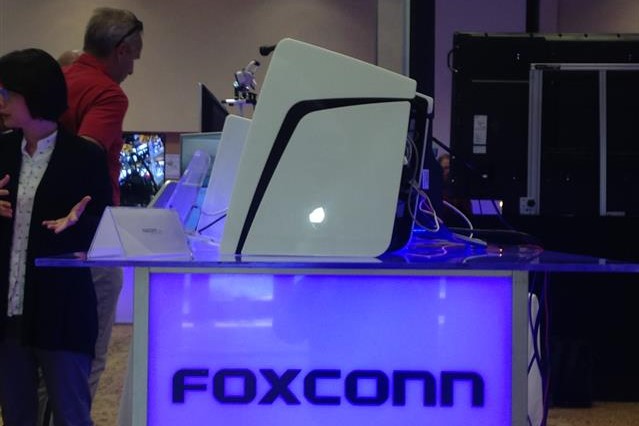
The 2.7 economic multiplier is absurdly high. Here’s why.

What passed in JFC is nothing short of a most extraordinary legal device which would allow for Foxconn lawsuits to not head to appeal trial courts but rather get directly moved to the state Supreme Court. The move is not well-reasoned and allows for a thumb to be placed on the scales of justice.

Environmental issues has almost disappeared from the public debate, except when large scale projects come to the fore, like the proposed, but now defunct, GeoTac iron mine in Northwestern Wisconsin or the pending Foxconn manufacturing plant in Southeastern Wisconsin.

The US has horribly moved from overly optimistic hope into morass and cynicism.
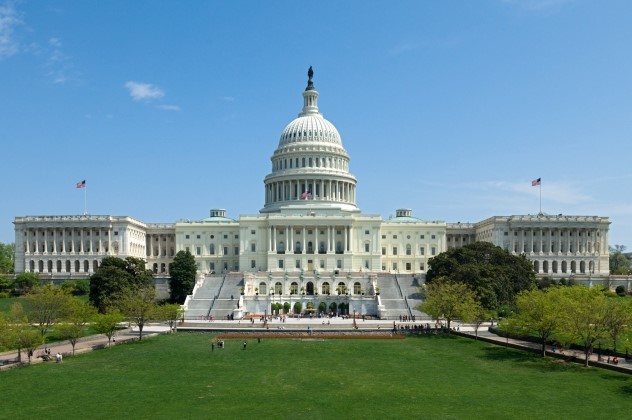
If Trump’s ultimatum to Congress gets the House and Senate to approve a legal framework for determining who stays and who goes, it actually will have been a success.
Raise money for roads by tacking extra registration fees onto un-American vehicles; taxes paid on wages and products overseas aren’t adding to Wisconsin’s road fund, after all.
It’s not just the can that’s being kicked down the road; whole roads are being booted down the freeway.
And how this cost state taxpayers $54 million.
We want to talk about reform, not leaked report’s many errors, he says.
Adequately-funded flexible block grants to the states are the last, best hope to finally repeal and replace Obamacare, a program which is collapsing before our very eyes.
We’re about to embark on a plan that gives the largest government payoff to a private corporation in the history of state government.

Wisconn Valley is a con; it’s an anchor around the necks of taxpayers and further starves our schools, our roads and our economy for decades.
When the Joint Finance Committee voted, along party lines, to give Foxconn the right to directly appeal any lower court order straight to the Wisconsin Supreme Court and to have that order suspended until the high court rules on it, the legislature was entering very dubious legal waters.
Rustbelt jobs have steadily declined since 1990. State should look elsewhere for answers.
Wisconsin’s model for educating special needs children is outdated, lagging far behind other states, and does a disservice to parents.
They’re Walker’s most successful economic development program. So why would he cut them?
The mysterious group behind it failed miserably. Why?

A last-minute financial obstruction thrown by GOP budget-writers yesterday at the City of Milwaukee’s streetcar and home rule powers made perfect sense inside the right-wing echo chamber and fossil-fuel/road-building funding combine that passes for a major political party these days.

It makes no sense that after the over-the-top accommodations already promised to Foxconn, we would allow the company to bypass controls designed to mitigate flood and pollution disasters. It makes no sense from a moral perspective, or a financial one.
The Legislature’s vetting of the Foxconn deal should and will continue, but no one should be fooled into thinking nations, states and communities don’t compete every day. Rather than wishing away such competition, it’s mainly about calculating certain risks for uncertain rewards.

The 2.7 economic multiplier is absurdly high. Here’s why.
What passed in JFC is nothing short of a most extraordinary legal device which would allow for Foxconn lawsuits to not head to appeal trial courts but rather get directly moved to the state Supreme Court. The move is not well-reasoned and allows for a thumb to be placed on the scales of justice.
Environmental issues has almost disappeared from the public debate, except when large scale projects come to the fore, like the proposed, but now defunct, GeoTac iron mine in Northwestern Wisconsin or the pending Foxconn manufacturing plant in Southeastern Wisconsin.
The US has horribly moved from overly optimistic hope into morass and cynicism.
If Trump’s ultimatum to Congress gets the House and Senate to approve a legal framework for determining who stays and who goes, it actually will have been a success.