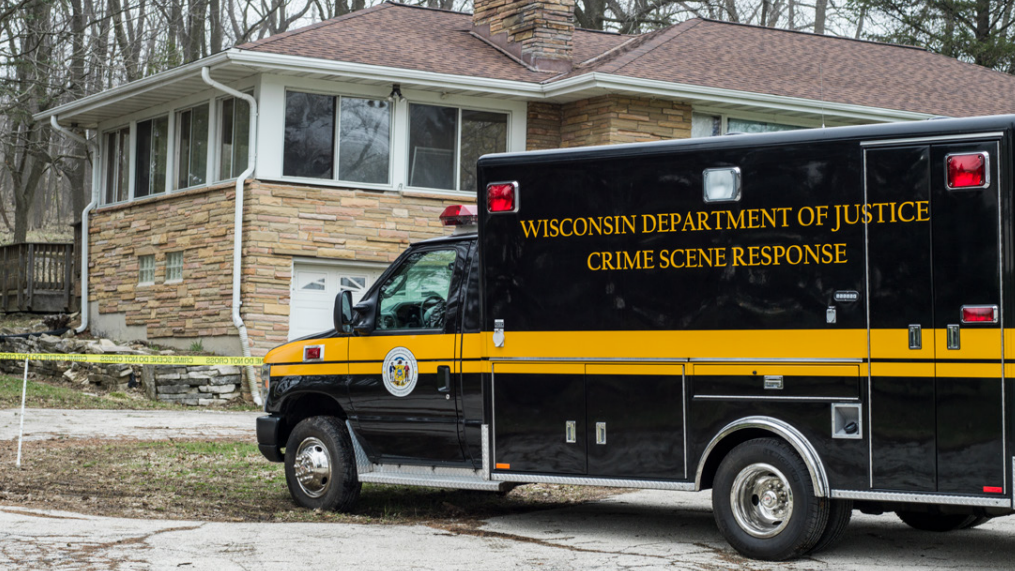
The Wisconsin State Crime Laboratory received fewer cases in 2024 than it did the year before, while taking longer on average to process assignments involving DNA and toxicology, the latest DOJ report says.

Meanwhile, the lab took less time on average to process new assignments involving controlled substances, as well as prints and footwear.

DOJ on Thursday reported the number of cases in which evidence tested positive for fentanyl or a fentanyl analog continued to increase dramatically. There were 29 such cases in 2014. That climbed to 765 in 2023 and 1,034 in 2024.

Dem AG Josh Kaul continued to call for more resources at the lab as the annual report was released. He requested 19 positions for the lab in the 2025-27 budget, and Dem Gov. Tony Evers included six in the proposal he sent to the Legislature. GOP lawmakers, though, didn’t approve any additional spots.

“The failure of the state legislature to include any additional positions for the crime labs in the 2025-27 state budget was a significant disappointment,” Kaul said. “The commitment of our team at the labs to staying on the cutting edge of forensic science is evident, and it’s crucial for the legislature to be a partner to the labs.”

The performance of the state crime lab is expected to be an issue in Kaul’s reelection bid next year. GOP Fond du Lac County DA Eric Toney, who lost to Kaul in 2022, joined the attorney general two years ago in calling for lawmakers to put more resources into the lab.

Still, as he announced plans to seek a rematch with Kaul in 2026, Toney knocked the Dem incumbent for the lab processing fewer cases compared to his predecessor, but taking longer to do it in many categories, including DNA.

Toney’s campaign said forensic testing was one of Kaul’s top priorities when he was elected seven years ago, but he’s “proven incapable of improving the crime labs.”

“This is the most significant broken promise of his tenure as Attorney General,” the campaign said.

Overall, the 8,965 cases the agency received in 2024 was also below the 9,297 received in 2022.

By comparison, in 2018, the last full year former GOP AG Brad Schimel was in office, the state labs received 12,680 cases. 

Thursday’s report noted each case submission can include assignments to multiple units. Each assignment can also include more than one sample to be tested, and that’s underscored by the DNA numbers.

DNA accounted for one-third of all assignments to the lab in 2024. That includes 4,124 new ones in 2024, compared to 4,439 in 2023. It took an average of 129 days to complete work on an assignment after receiving it, compared to 108 days the year before.

But the lab processed 39,992 items for DNA in 2024, an uptick from the 38,377 in 2023.

The 2018 crime lab report listed 8,626 cases received, but didn’t include a similar breakdown for the number of items processed for DNA.

Today’s report shows in other areas:

  • The lab received 4,529 new controlled substance assignments, taking an average of 90 days to turn those around. In 2023, it took in 4,561 with an average time of 110 days.
  • There were 2,063 new toxicology assignments received in 2024 with an average turnaround time of 82 days. In 2023, there were 3,042 with an average time of 64 days.
  • The lab received 696 prints and footwear assignments with an average turnaround time of 52 days, compared to 774 in 2023 and an average time of 66 days.
  • There were 78 forensic imaging assignments received in 2024 with an average turnaround time of 88 days, compared to 74 in 2023, when it took an average of 79 days.

The report had typically been released in late summer. Last year, DOJ released it in mid-November, and the agency said that delay was due to a Legislative Audit Bureau review of the lab earlier in the year. A spokesperson didn’t immediately have details on why the report was released in early December this year.