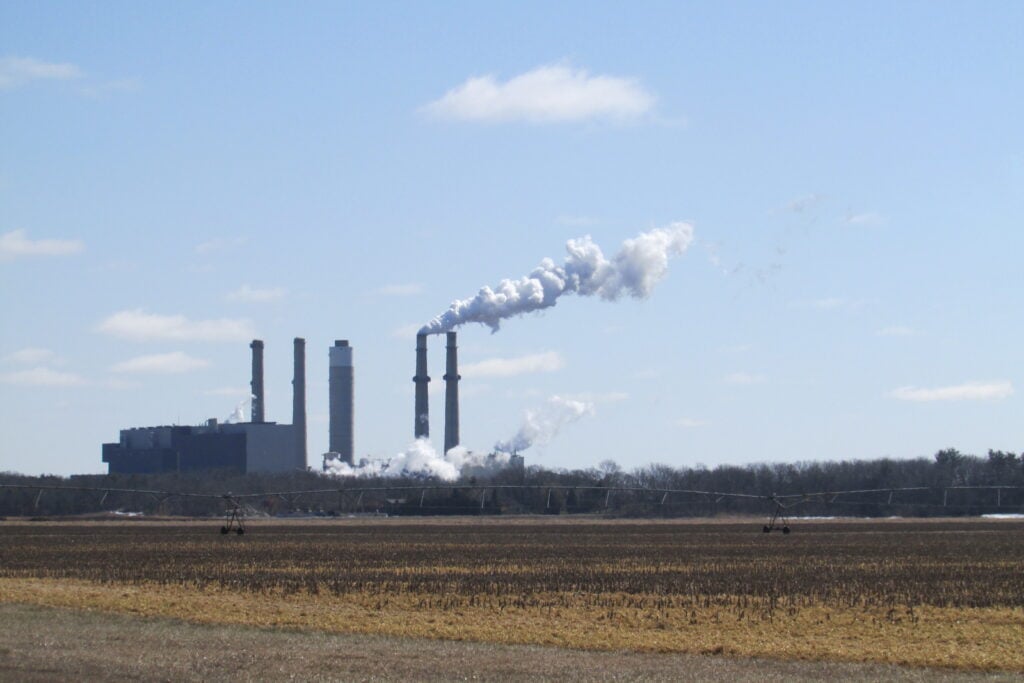
A Trump administration push to keep aging Midwestern coal-fired power plants open is set to cost Wisconsin ratepayers some $117 million, Gov. Tony Evers wrote in a letter protesting the directive.
Evers wrote yesterday that the administration’s directive to continue operating the J.H. Campbell Power Plant in Michigan and the Schahfer and F.B. Culley power plants in Indiana are “needlessly increasing energy bills.”
Since the coal plants are part of the same regional grid as Wisconsin, Wisconsin ratepayers are sharing those costs, Evers previously noted in an April letter.
“Not only are you making energy bills go up for Wisconsinites with no demonstrated need or benefit, but this practice flies in the face of state, local, and utility planning efforts,” Evers wrote yesterday to Energy Secretary Chris Wright.
>> WisPolitics is now on the State Affairs network. Get custom keyword notifications, bill tracking and all WisPolitics content. Get the app or access via desktop.
Wright has issued a series of 90-day emergency orders under Section 202(c) of the Federal Power Act to delay the closure of the Michigan plant and the two Indiana plants.
DOE first ordered the Indiana plants to stay open days before they were scheduled to close in December, saying it was necessary to keep the plant open to maintain grid reliability; those orders were renewed for a third time on June 18.
The Campbell plant was subject to its fifth delay order on May 18, pushing the plant more than a year past its planned shutdown date.
In a statement, the DOE wrote that the emergency orders “prevented blackouts and likely saved lives during peak capacity events this past year,” citing a departmental fact sheet that claimed the plants provided “essential power” during Winter Storm Fern in January.
“These operations serve as a reminder that allowing reliable generation to go offline would unnecessarily contribute to grid reliability risks. The Department of Energy will continue to protect energy security for all Americans,” the department said.
Environmental groups and the attorneys general of several states, though not Wisconsin, have filed challenges against the DOE’s decisions in federal court, arguing the emergency orders are illegal and a pretext to funnel money to the coal industry.
Evers in his letter yesterday said that keeping the plants open would cost U.S. ratepayers $3.1 billion to $5.9 billion “over the next few years,” citing a “recent analysis.”
Evers’ spokesperson Britt Cudaback did not respond to a query to clarify the origin of those figures or the $117 million number.
“This means Wisconsinites will continue to foot the bill to keep these regional plants online despite their age, inefficacy, and, in some cases, their own operating utilities’ plea to allow these expired assets to be shut down,” Evers wrote.
The Citizens Utility Board of Wisconsin has submitted court filings in lawsuits over both the Michigan and Indiana plants.
Writing on behalf of several consumer advocacy groups, CUB General Counsel Daniel Narvey wrote in a December amicus brief that delaying the Campbell plant’s closure usurped state regulatory authority and “forces already overburdened consumers … to bear millions of dollars in costs in exchange for dubious benefits.”
“The order thus not only affects Americans’ pocketbooks in the short run, it causes institutional damage to functional and democratic regulatory decision-making in the long run,” Narvey wrote.