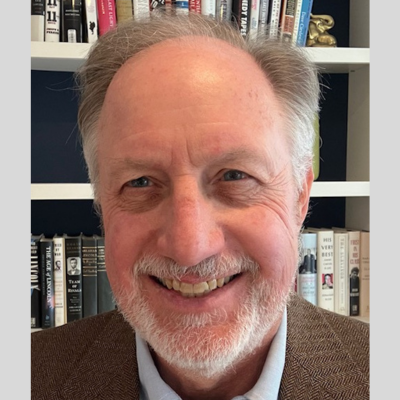
Dave Cieslewicz: The data center stalemate in the Wisconsin governor’s race
Both Crowley and Tiffany have walked back their support of data centers, but have constituencies who love them.


Both Crowley and Tiffany have walked back their support of data centers, but have constituencies who love them.
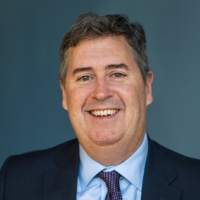
GOP gubernatorial candidate Tom Tiffany wants to get rid of the state income tax entirely. However, to replace the income tax, Wisconsin’s sales tax would have to more than double, to nearly 13%.

Thanks to apps like Dave’s Redistricting App, when redistricting is done again in 2030 there will be no democratically legitimate excuse to not have politically neutral maps. The entire nation will be watching.
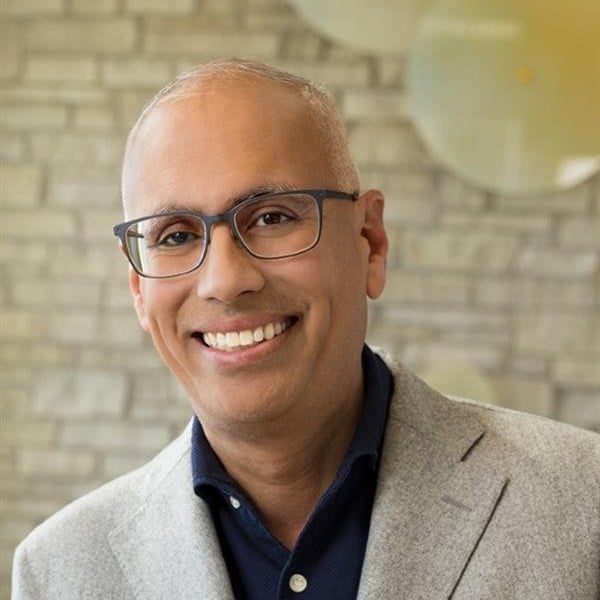
Your perspectives matter. Whether you are a student, parent, alumnus, employer, educator, taxpayer, or simply someone who cares about Wisconsin’s future, I encourage you to participate.
The WILL/AFP proposal will likely only lead to more political debate over regulation and more legal action. It will not help move us from continued over-reliance on fossil fuels to a combination of energy sources that will be more sustainable and environmentally friendlier.

Thousands of acres of farmland all over Wisconsin are being used to install solar panels and wind turbines. That may seem like a green thing to do, but to me, it is an alarming use of crucial — and limited — space.

The more convincing the generated image or video becomes, the more necessary it is to have human judgment, transparency, and historical literacy.

The execution will not be livestreamed.
Democrat Sarah Godlewski and Republican David Varnam are very different candidates.

This is a time when Democrats are smart to recognize that every corner of Wisconsin includes the north.

‘Tax the rich’ sounds appealing. Punishing success does not lift the poor. It shrinks the opportunities available to everyone.
Tiffany voted against the PACT Act, which the Department of Veterans Affairs describes it as “perhaps the largest health care and benefit expansion in VA history.”
Wisconsin is having a major debate about its energy future, but too often we are framing that debate around choices we don’t have to make.
Although the need for mental health services has become a universal desire across the country — especially after COVID — for as long as the need has been there, funding that need has been a sticking point.

If the goal is to serve disadvantaged children and their families, why must federal funding necessarily flow through existing Head Start organizations rather than follow eligible children to qualified providers selected by their parents?
The commerce clause is no longer much of a check on federal power. This needs to change if President Trump wants to create a new golden age for America.

Complacency, disinformation and partisan politics have all played a role in lower vaccination rates.
He wants the treasurer’s office to serve as a genuine watchdog for taxpayers, arguing that it’s time to use the treasurer’s independent role “to push for transparency, accountability, and responsible management of public funds.”

In an interview with the Milwaukee Journal Sentinel Editorial Board Oct. 9, Tiffany answered a wide range of questions about issues facing Wisconsin.
In an interview with the Milwaukee Journal Sentinel Editorial Board Oct. 13, Crowley answered a wide range of questions about issues facing Wisconsin.
Both Crowley and Tiffany have walked back their support of data centers, but have constituencies who love them.
GOP gubernatorial candidate Tom Tiffany wants to get rid of the state income tax entirely. However, to replace the income tax, Wisconsin’s sales tax would have to more than double, to nearly 13%.
Thanks to apps like Dave’s Redistricting App, when redistricting is done again in 2030 there will be no democratically legitimate excuse to not have politically neutral maps. The entire nation will be watching.

Your perspectives matter. Whether you are a student, parent, alumnus, employer, educator, taxpayer, or simply someone who cares about Wisconsin’s future, I encourage you to participate.

The WILL/AFP proposal will likely only lead to more political debate over regulation and more legal action. It will not help move us from continued over-reliance on fossil fuels to a combination of energy sources that will be more sustainable and environmentally friendlier.
Thousands of acres of farmland all over Wisconsin are being used to install solar panels and wind turbines. That may seem like a green thing to do, but to me, it is an alarming use of crucial — and limited — space.

The more convincing the generated image or video becomes, the more necessary it is to have human judgment, transparency, and historical literacy.
The execution will not be livestreamed.
Democrat Sarah Godlewski and Republican David Varnam are very different candidates.
This is a time when Democrats are smart to recognize that every corner of Wisconsin includes the north.
‘Tax the rich’ sounds appealing. Punishing success does not lift the poor. It shrinks the opportunities available to everyone.

Tiffany voted against the PACT Act, which the Department of Veterans Affairs describes it as “perhaps the largest health care and benefit expansion in VA history.”
Wisconsin is having a major debate about its energy future, but too often we are framing that debate around choices we don’t have to make.
Although the need for mental health services has become a universal desire across the country — especially after COVID — for as long as the need has been there, funding that need has been a sticking point.
If the goal is to serve disadvantaged children and their families, why must federal funding necessarily flow through existing Head Start organizations rather than follow eligible children to qualified providers selected by their parents?
The commerce clause is no longer much of a check on federal power. This needs to change if President Trump wants to create a new golden age for America.

Complacency, disinformation and partisan politics have all played a role in lower vaccination rates.
He wants the treasurer’s office to serve as a genuine watchdog for taxpayers, arguing that it’s time to use the treasurer’s independent role “to push for transparency, accountability, and responsible management of public funds.”

In an interview with the Milwaukee Journal Sentinel Editorial Board Oct. 9, Tiffany answered a wide range of questions about issues facing Wisconsin.
In an interview with the Milwaukee Journal Sentinel Editorial Board Oct. 13, Crowley answered a wide range of questions about issues facing Wisconsin.

Available to attendees of our October events