The column below reflects the views of the author, and these opinions are neither endorsed nor supported by WisOpinion.com.
With the ever-changing world we live in, adapting to change quickly and knowing what your future will look like in two, five or even ten years is hard to predict. As someone who grew up on my family’s fifth-generation farm, it has always been in my interest to become more involved and possibly take over the farm someday.
It always seemed like it was achievable, but now myself and many others in similar situations are having second thoughts. Considerations like land use, affordability and insurance options are all items that seem difficult and daunting to take on as a young person in agriculture.
With the United States losing nearly 15,000 farms each year, how can we as agriculturists and supporters ensure a bigger and brighter tomorrow?
To me, the answer is voting. All throughout my secondary education I was taught voting is a right you get as an American and is important as it allows you to advocate and fight for your thoughts, opinions, and overall quality of life.
Every single election matters so much more than we give credit for. When I think about taking over the family farm, I don’t just think about the crops and the cattle. I think about whether I’ll actually be able to afford the land, business, and inputs when the time comes.
For a 21-year-old who wants to keep a generational farm going, those numbers aren’t abstract; they’re the difference between a dream I can build toward and one that quietly slips out of reach.
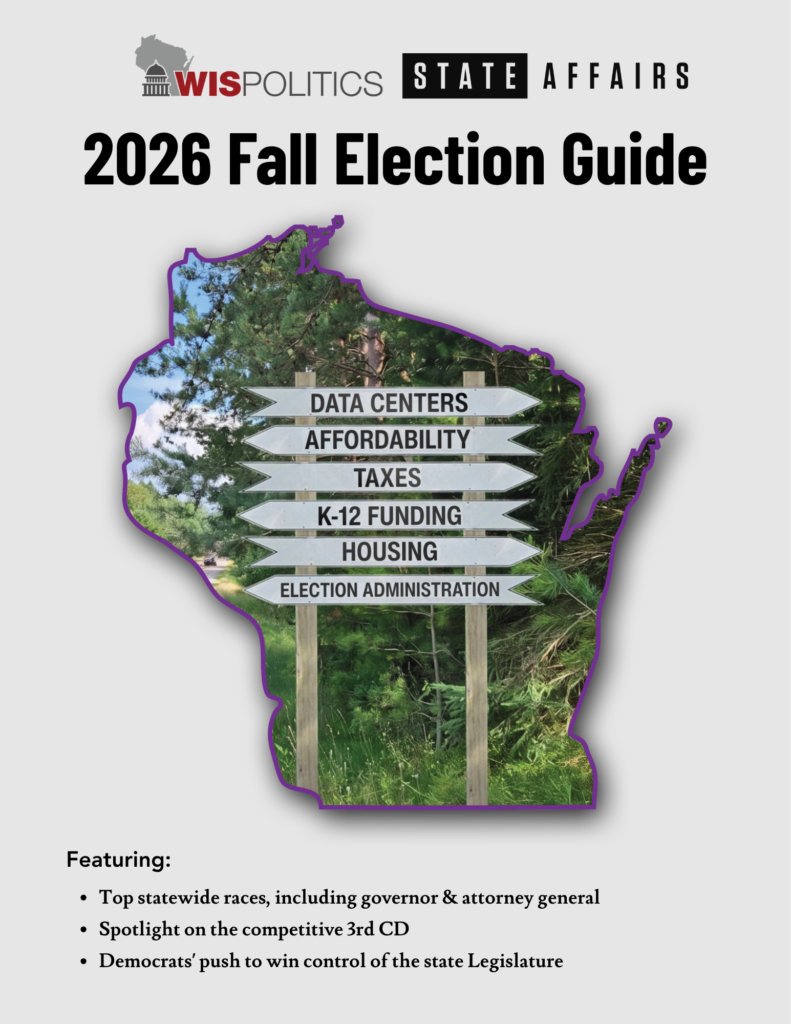
An important and timely aspect we have to think about is data centers, large-scale transmission projects, and other utility projects that are moving into Wisconsin at a rapid pace. That brings real tension: neighbors versus local government, progress versus preservation. It’s not a fight against technology but rather showing support for the agriculture industry that has always supported the local community and more.
In order to make this happen, though, we need policymakers who understand the nuance. People who can help our industry evolve while still protecting productive farmland for generations to come. Because once prime soil is gone, it’s gone for good, and there’s no policy that brings it back.
Beyond access to the land itself, healthcare and affordable insurance is a piece of farming that doesn’t get talked about enough, but it might be the most personal one of all. Farm income is variable by nature, leaving farm families with an impossible choice: take an off-farm job just for the insurance or risk going without coverage entirely. Supporting alternative options, like Farm Bureau Health Plans, gives young farmers like myself the chance to actually stay on the farm while still protecting everyone’s health.
When I say voting is the answer, I mean it in the most practical sense possible. The decisions being made right now about land use, affordability, and healthcare will determine whether taking over the family farm is a real option for my generation or just a nostalgic idea.
I can’t afford to sit this one out, and neither can you. The future of Wisconsin agriculture is being written right now, and it’s up to us to make sure we have a hand in writing it.
Brooke Beardsley is president of the UW-River Falls Collegiate Farm Bureau.